
The Future of Advertising with AI is no longer just a tool in marketing—it is reshaping the entire advertising ecosystem. With platforms like Meta Advantage+, Google Performance Max, and The Trade Desk Koa AI already automating bidding, targeting, and creative optimization, marketers are asking:
Executive Summary: The Future of Advertising with AI in 2026
By 2026, 70–80% of repetitive media buying tasks—including bidding, campaign optimization, and A/B testing—will be automated according to McKinsey and WARC.
However, AI will not eliminate media buyers. Instead:
- Tactical execution will shift to AI.
- Strategic oversight, creative strategy, and ethical governance will remain human-led.
The key takeaway: AI replaces “button pushers,” not strategic thinkers.
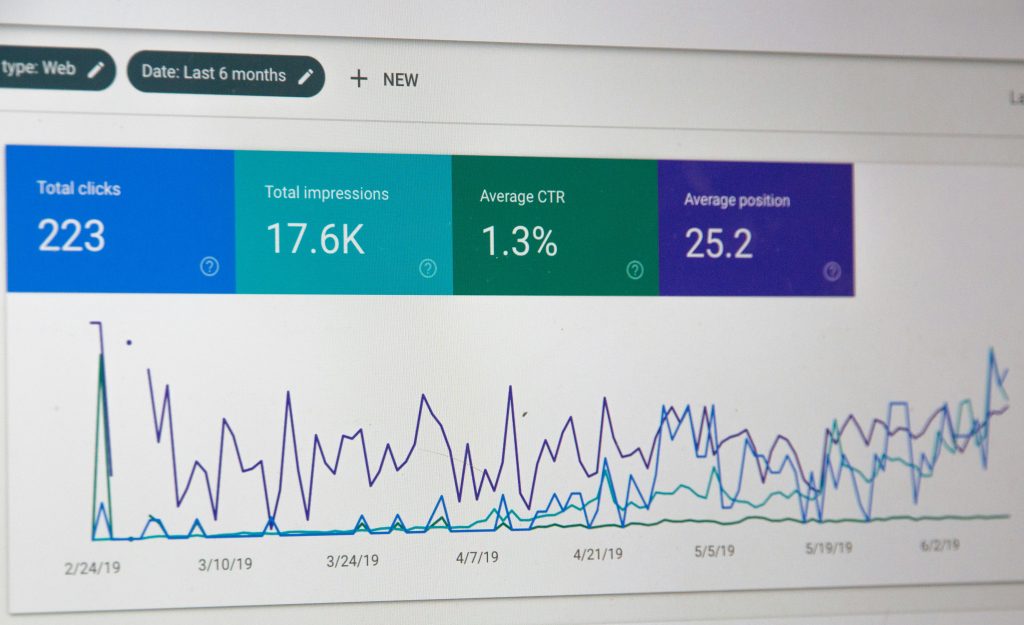
How AI is Transforming Media Buying?
| Function | Traditional Approach | AI-Driven Approach | Expected by 2027 |
|---|---|---|---|
| Audience Targeting | Manual demographic & interest selection | Predictive AI persona modeling | Fully automated |
| Bidding | Manual CPC/CPA adjustments | Real-time algorithmic bidding | Fully automated |
| Creative Testing | Manual A/B testing | Dynamic Creative Optimization (DCO) | Mostly automated |
| Channel Allocation | Media planner decisions | Multi-channel cross-learning AI | Partially automated |
| Brand Strategy | Human-led | Human-led | Protected |
AI is accelerating speed, efficiency, and predictive accuracy—while humans retain brand narrative control.
Real-World Examples of AI-First Advertising
- Meta Advantage+ eliminates manual ad set creation and reports a 32% higher ROAS on average.
- Google Performance Max automates cross-channel placements using campaign goals and creative assets.
- The Trade Desk Koa AI predicts impression value in milliseconds, outperforming human optimization across display and CTV.
Will AI Replace Media Buyers?
The short answer: No—but it will redefine their roles.
Tasks AI Will Take Over
- Bid management and pacing
- Budget reallocation between campaigns
- Lookalike and interest-based targeting
- Creative testing and optimization at scale
Tasks Humans Will Continue to Own
- Brand positioning and narrative strategy
- Ethical and regulatory oversight
- Client communication and reporting
- AI training, supervision, and monitoring
- AI training, supervision, and monitoring
These platforms are already making the majority of bidding and optimization decisions autonomously.
Media buyers who transition from execution to AI-powered strategists will thrive.
The 3-Tier AI Adoption Model for Agencies
| Level | Behavior | Risk Level |
|---|---|---|
| AI-Assisted | Humans control campaigns with AI suggestions | Low |
| AI-Augmented | AI executes, humans supervise | Medium |
| AI-Autonomous | AI handles 90% of tasks, humans guide strategy | High |
Most agencies are currently Level 1 or 2. By 2027, early adopters will reach Level 3, but only with strong human guardrails.
Benefits of AI-Driven Advertising
- Speed and Efficiency – Real-time bidding and automated optimization significantly reduce time spent on repetitive tasks.
- Precision Targeting – AI models use historical and behavioral data to predict the most relevant audience segments.
- Scalability – AI can manage hundreds of campaigns simultaneously, a scale impossible for humans.
- Improved ROI – Automation reduces errors and enhances allocation, improving return on ad spend (ROAS).
External validation: HubSpot reports that companies using AI-driven marketing strategies achieve up to 30% higher engagement rates.
Risks of an AI-First Ad Ecosystem
| Risk | Implication | Mitigation |
|---|---|---|
| Algorithmic Bias | AI may amplify stereotypes or exclusions | Continuous human audits |
| Over-Automation | Loss of brand differentiation | Hybrid human + AI creative models |
| Data Privacy Pressure | Post-cookie world requires ethical data usage | First-party data strategies |
Ethics is now a key differentiator, not just compliance.
How Media Buyers Can Stay Relevant
- Think strategically, not operationally.
- Learn AI prompt engineering & platform logic.
- Focus on insights, not inputs.
- Build proprietary data frameworks.
- Offer “AI supervision” as a value-added service.
Case Study: Agency Transformation with AI
A global digital marketing agency integrated AI across programmatic campaigns. Within six months:
- Average ROAS increased by 28%
- Campaign setup time dropped by 60%
- Media buyers were reallocated to strategic roles, increasing client satisfaction scores
This demonstrates the real-world benefits of AI augmentation rather than full replacement.

FAQ: Future of Advertising with AI
Q1. Will AI replace human media buyers by 2027?
AI will automate execution but not replace strategic decision-making. Humans who adapt will thrive.
Q2. Which platforms are leading AI-driven advertising?
Meta, Google, Amazon Ads, Adobe, and The Trade Desk.
Q3. What skills should advertisers focus on?
Data interpretation, AI governance, creativity, and client-facing communication.
Final Thought
AI is not here to eliminate media buyers. It’s here to eliminate mediocre execution. The Future of Advertising with AI belongs to marketers who combine machine precision with human insight.
you can also read this article https://pixelninja.in/best-ai-marketing-tools/