Influencer Marketing in 2026 isn’t just going to evolve —it’s going to explode.
The days of paying creators a flat fee for a single Instagram post are fading. In 2026, brands won’t just sponsor influencers — they’ll partner with them like performance-driven affiliates, revenue-share collaborators, and long-term brand growth partners.
Why? Because CMOs are done paying for vanity metrics like “reach” and “impressions.” They want ROI. Attribution. Conversions.
And influencers?
They’re also done being treated like “content vending machines.” They want equity, commission, recurring payouts — not one-time deals.
Welcome to Performance-Based Influencer Marketing.
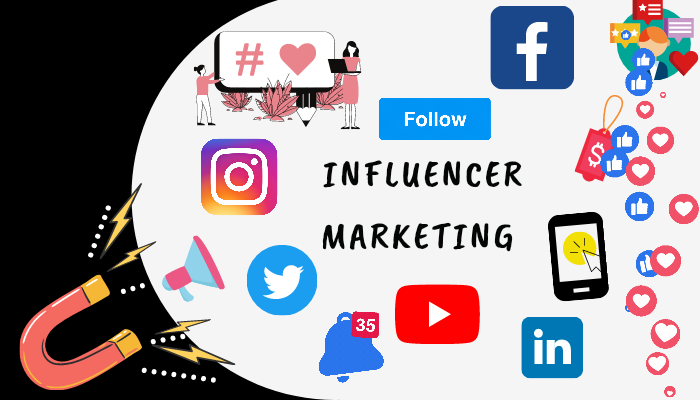
How Influencer Marketing in 2026 Is going to Evolve?
| Old Model (2018–2023) | New Model (2024–2026) |
|---|---|
| Flat-fee sponsorships | Performance-based contracts |
| One-off collabs | Long-term partnerships |
| Likes & views as success metrics | Sales, CAC, retention as primary KPIs |
| Manual influencer selection | AI-driven talent matching |
| “Post and pray” strategy | Full-funnel attribution tracking |
Why the Shift? Brands Are Finally Asking for Proof
Marketers are smarter now.
They’re asking:
- “If I spend $10K on an influencer, what do I get back?”
- “Can I track clicks, signups, revenue — per influencer?”
- “Can AI predict which creators will perform best?”
Meanwhile, platforms like TikTok Business, Instagram Business, and YouTube for Brands have already introduced revenue-sharing tools, and affiliate platforms like Impact, LTK, and Awin make performance-based payouts easier than ever.
Influencer Marketing Hub reports that performance-based influencer marketing ROI is increasing every year.
AI Is Quietly Taking Over Influencer Campaigns
You know how media buying became automated with tools like Google Performance Max?
The same is happening in influencer marketing.
AI tools can now:
✅ Find high-performing micro-influencers automatically
✅ Predict which creator will bring the best ROI
✅ Track conversions from unique links and discount codes
✅ Auto-adjust commissions based on performance
Tools like:
- Modash — AI influencer discovery
- GRIN — influencer CRM with sales tracking
- Skeepers — performance-based influencer payout automation
This means instead of “Who looks cool for our campaign?”, brands are asking:
“Which influencer will help us lower CAC by 20%?“
Performance-Based Partnership Models Taking Over in 2026
By 2026, expect these payment structures to be the norm:
| Model | How It Works | Best For |
|---|---|---|
| Pay-Per-Sale (Affiliate Style) | Creator earns % of sales they generate | E-commerce, SaaS |
| Flat Fee + Bonus | Small upfront + performance reward | Mid-budget brands |
| Revenue Share / Equity Deals | Long-term partnership | Startups, product launches |
| Usage-Based Licensing | Brand pays per content repurpose | Paid ads campaigns |
This structure protects ROI for brands and gives creators long-term income potential — everyone wins.
Real Examples of Performance-Based Influencer Partnerships
Here’s how brands are already leading this shift in 2024 — and what will become standard by 2026.
Example 1: Gymshark’s Revenue-Share Athlete Model
Instead of paying influencers per post, Gymshark turns influencers into long-term partners.
- Influencers get exclusive codes
- They earn commission per sale
- Top creators even get equity-like deals
This model reduces upfront cost for Gymshark and increases earning motivation for creators.
Example 2: Sephora’s Affiliate + Licensing Hybrid
Sephora collaborates with creators who:
- Create tutorial content
- Get paid only when content drives sales
- Best-performing videos get licensed into paid ads
Brands don’t gamble on one-off posts — they scale content that works.
Example 3: Mobile Game Brands Using Pay-Per-Install Influencer Deals
Ever seen YouTubers promoting “Raid Shadow Legends” or “Mech Arena”?
These brands don’t pay flat fees — they pay based on installs or in-app purchases.
Result?
- Creators push harder because their income depends on results
- Brands only pay when they win
How Digital Marketers Should Adapt
If you’re running influencer campaigns, here’s the new playbook:
✅ Step 1: Stop Treating Influencers Like Media Buys — Treat Them Like Partners
Instead of saying:
“We’ll pay you $2,000 for one Instagram Reel.”
Say:
“We’ll give you $1,000 upfront + 15% of every sale you drive.”
This reduces your risk and incentivizes them to sell harder.
✅ Step 2: Switch to Always-On Partnerships, Not One-Off Posts
Instead of 50 creators once a year…
Work with 10 creators all year, turning them into micro-ambassadors.
✅ Step 3: Track Everything
Use:
- UTM links
- Personalized discount codes
- Affiliate dashboards like Impact, Awin, or Refersion
If you can’t measure performance, you can’t optimize.
What Types of Influencers Will Win in 2026?
| Influencer Type | Performance Potential | Brand Risk |
|---|---|---|
| Mega Influencers (1M+) | High reach, but low conversion | High |
| Mid-Tier (100K–1M) | Balance of reach + engagement | Strong |
| Micro Influencers (10K–100K) | Highest trust & conversion | Best ROI |
| Nano Influencers (<10K) | Niche impact, low cost | Scalable via volume |
.
Bonus: AI + Influencer Content Repurposing
One of the biggest efficiency hacks:
✅ Let influencers create content → Then repurpose it into paid ads.
Tools like CapCut AI, OpusClip, and Adobe Firefly make this seamless.
This turns influencer-generated content (UGC) into high-performance ad assets — without expensive studio shoots.
Final Takeaway
Influencer Marketing in 2026 = Partnerships, Not Promotions.
- No more “Pay for Post”
- It’s all about “Pay for Performance”
- Brands get better ROI
- Creators get long-term income
The era of “influencer ads” is ending.
The era of “influencer partnerships” is beginning.
FAQ about Influencer Marketing in 2026)
Q1: What is performance-based influencer marketing?
It’s a partnership model where creators are paid based on results — such as sales, leads, or installs — instead of flat fees.
Q2: Will flat-fee influencer deals disappear In 2026?
Not entirely, but brands will increasingly favor hybrid or performance-linked compensation, especially for long-term campaigns.
Q3: What tools help track influencer campaign performance?
Popular platforms include GRIN, Refersion, Impact, and Modash for discovery, tracking, and automated payouts.
Q4: What influencer type delivers the best ROI?
Micro-influencers (10K–100K followers) often outperform larger creators in engagement and conversion.
Q5: How do I transition existing influencers to performance-based deals?
Start with hybrid offers like “small upfront fee + commission” to reduce friction.
Conclusion + CTA
If you’re still treating influencer marketing like billboard advertising, you’re already behind.
In 2026, successful digital brands will treat creators as growth partners — not rented media space.
So ask yourself:
Are you paying for posts, or investing in performance?
Also read out this article https://pixelninja.in/2025/09/12/future-of-advertising-with-ai/