The ROI Dilemma Every Business Owner Faces
If you’re a business owner investing in lead generation, you’ve likely asked this question:
“Should I put more money into Meta Ads or Google Ads?”
Both platforms dominate digital advertising — and both can deliver great results. But the truth is, the best platform depends on your business goals, audience behavior, and the kind of leads you want to generate.
Google Ads helps you reach customers who are actively searching for your product or service.
Meta Ads (Facebook & Instagram), on the other hand, helps you reach people who don’t know they need you yet — until they see your ad.
So, which one should you choose?
Let’s break it down in detail, compare their strengths and weaknesses, and see which delivers the best value for your business.
Understanding the Core Difference between Meta Ads or Google Ads
Google Ads: The Power of Intent
Google Ads works on search intent.
When someone types “digital marketing agency near me” or “best CRM for small business,” they’re actively looking for a solution.
That’s where Google Ads shines — you’re showing your ad to people already ready to take action.
In short:
Google Ads = Users who want something now.
Meta Ads: The Power of Discovery
Meta Ads (which includes Facebook and Instagram Ads) work on interest and behavior.
People aren’t necessarily looking for your service; they’re scrolling through their feed when your ad appears.
It’s like saying, “Hey, here’s something you didn’t know you needed.”
Meta Ads are powerful for brand awareness, storytelling, and retargeting.
In short:
Meta Ads = Users who discover you.
Platform Overview: How Each System Works
| Feature | Google Ads | Meta Ads |
|---|---|---|
| Platform Type | Search Engine | Social Media |
| Targeting Basis | Keywords & Intent | Interests, Behaviors & Demographics |
| Ad Placement | Search Results, YouTube, Display Network | Facebook Feed, Instagram Feed, Reels, Stories |
| Best For | High-intent leads, immediate conversions | Brand awareness, engagement, retargeting |
| Pricing Model | Pay per click (CPC) | Pay per impression (CPM) or per click |
| Tracking & Data | Google Analytics, Conversion Tag | Meta Pixel, Conversion API |
Cost and ROI Comparison between Meta Ads or Google Ads
Let’s compare how both platforms perform from an ROI perspective.
Google Ads: Higher Cost, Higher Intent
Because Google users are ready to buy, the cost per click (CPC) is usually higher — but so is the conversion rate.
Average CPC (2025 data):
- Legal Industry: ₹150–₹350 per click
- Healthcare: ₹60–₹150
- Real Estate: ₹80–₹200
- E-commerce: ₹15–₹60
Average Conversion Rate: 4%–10%
Example:
A home renovation business bids on “kitchen remodeling near me.”
Out of 100 clicks, 10 people fill the form. Each lead costs ₹250, but most of them are ready-to-hire.
So even though Google Ads costs more per click, it delivers high-intent leads that are easier to convert.
Meta Ads: Lower Cost, Broader Reach
Meta Ads generally have lower CPC and higher reach. You can reach thousands of people for the same cost as a few Google clicks.
Average CPC (2025 data):
- Coaching / Education: ₹6–₹20
- E-commerce: ₹5–₹15
- Real Estate: ₹10–₹25
- Local Services: ₹8–₹20
Average Conversion Rate: 1%–4%
Example:
A fitness coach runs a Meta campaign with a video ad offering a free “7-day fitness plan.”
It reaches 20,000 people and gets 1,200 leads at ₹12 per lead.
Meta delivers a large quantity of leads — but they often need more nurturing before conversion.
Audience Behavior: Searchers vs Scrollers
Google Ads Audience
- Actively searching for solutions
- Ready to buy or inquire
- Lower funnel audience
- Responds well to urgency-driven CTAs (“Book Now,” “Get Quote”)
Meta Ads Audience
- Browsing casually, not necessarily in buying mode
- Ideal for storytelling, education, and emotional connection
- Upper to mid-funnel audience
- Responds well to visuals and community-driven content
Use Case Comparison: Which Platform Works Best for You
For Local Businesses (Salons, Clinics, Home Services):
Best Platform: Google Ads
Because people usually search “dentist near me” or “AC repair in Aligarh,” Google gives you direct intent leads ready to convert.
Example:
A dentist in Lucknow ran Google Ads with the keyword “teeth cleaning near me.”
In 30 days, they got 150 inquiries and 47 appointments — ROI 4.5x.
For E-commerce & Product-Based Businesses:
Best Platform: Meta Ads
E-commerce thrives on visual storytelling and impulse discovery.
Instagram and Facebook Reels are perfect to showcase lifestyle-driven content.
Example:
A skincare brand launched a Meta campaign using reels demonstrating “before-after” transformations.
Result: 2.1x higher click-through rate and 32% increase in sales in 14 days.
For B2B & SaaS Businesses:
Best Platform: Google Ads (with retargeting on Meta)
Decision-makers search for tools, solutions, and partners. Google captures them at the research stage.
Retargeting them on Meta helps reinforce credibility.
Example:
A SaaS startup ran a Google Ads campaign for “CRM for real estate agents” and retargeted site visitors on Meta with testimonials.
Result: 37% lower cost per acquisition.
For Coaches, Consultants & Educators:
Best Platform: Meta Ads
Meta excels in personal branding and building trust over time.
Leads may not convert immediately, but they warm up through storytelling, reels, and testimonials.
Example:
A digital coach offered a “Free 3-Day Masterclass” via Meta Lead Form Ads.
Cost per lead: ₹45.
After email nurturing, 7% enrolled in a ₹9,999 course.
For High-Ticket Service Providers (Agencies, Lawyers, Real Estate):
Best Platform: Google Ads
Because these industries rely on urgency or specific intent, search ads outperform social in ROI.
Meta is great for remarketing, but the initial acquisition often happens through Google.
How AI Tools Now Boost Both Platforms
In 2025, AI isn’t just a buzzword — it’s the backbone of ad optimization.
<iframe width="560" height="315" src="https://www.youtube.com/embed/y2QfjUQtzlI?si=VFNvzacEf6YVqDME" title="YouTube video player" frameborder="0" allow="accelerometer; autoplay; clipboard-write; encrypted-media; gyroscope; picture-in-picture; web-share" referrerpolicy="strict-origin-when-cross-origin" allowfullscreen></iframe>For Google Ads:
- Optmyzr: Automates bid adjustments and keywords optimization.
- ChatGPT + Google Ads Scripts: Auto-generate ad variations and analyze campaigns.
- WordStream Advisor: Suggests optimization actions weekly.
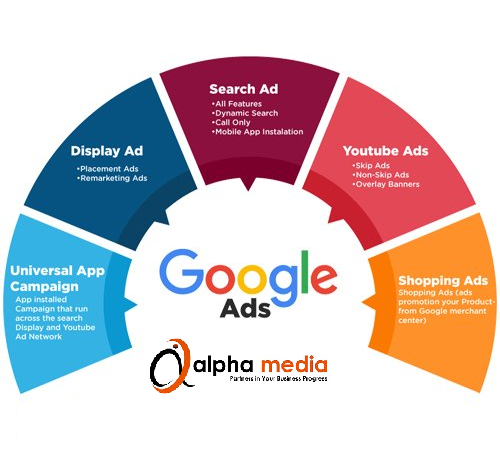
- Performance Max (Google’s AI Campaign): Uses machine learning to find high-performing placements automatically.
For Meta Ads:
- Meta Advantage+ Campaigns: Automatically identifies the best audience and placements.
- AdCreative.ai: Creates AI-optimized visuals and headlines.
- Revealbot: AI-driven automation rules to pause underperforming ads.
- Taplio: Repurposes Meta ad content into organic LinkedIn posts.
When used right, AI reduces wasted ad spend by 25–40%.
Creative Approach: Search Copy vs Storytelling
1.Google Ads
Google Ads is all about keywords, clarity, and urgency.
2. Meta Ads
Meta is all about emotion, visuals, and storytelling.
People connect with emotion and transformation, not just offers.
Targeting & Customization Capabilities
Google Ads Targeting:
- Keywords
- Location
- Device type
- Time of day
- Demographics
- Remarketing lists
Meta Ads Targeting:
- Interests (e.g., entrepreneurship, fashion, fitness)
- Behavior (e.g., engaged shoppers)
- Custom audiences (email list uploads, website visitors)
- Lookalike audiences (AI-built segments)
Pro Tip:
If your audience is specific (e.g., real estate buyers), Google wins.
If your audience is broad but niche-interested (e.g., fitness enthusiasts), Meta dominates.
Analytics & Tracking
Both platforms offer deep analytics — but they differ in approach.
| Feature | Google Ads | Meta Ads |
|---|---|---|
| Primary Metric | Clicks, CPC, Conversions | Impressions, Reach, Engagement |
| Attribution Model | Data-driven via Google Analytics 4 | Conversion API + Pixel |
| AI Learning Speed | Slower (needs historical data) | Faster (based on audience behavior) |
Tip:
Integrate Google Analytics 4 + Meta Pixel + CRM tracking (like HubSpot or Pabbly) for full-funnel visibility.
The Hybrid Strategy: Best of Both Worlds
For most businesses, the smartest move isn’t choosing one — it’s using both Meta Ads or Google Ads together strategically.
Example Hybrid Funnel:
- Awareness (Meta): Run video or carousel ads to cold audiences.
- Consideration (Meta Retargeting): Offer case studies or free resources.
- Conversion (Google Search): Capture high-intent leads who now search your brand or service.
This funnel typically reduces cost per qualified lead by 30–45%.
Have a look at this article also https://pixelninja.in/get-first-1000-customers-without-ads/